
After treatment
After a joint injection: Activity, symptoms and aftercare
What should you consider after a joint injection? This video explains how to discuss activity and sport with your healthcare team, watch for changing symptoms and know where to get help.
Your next step
Prepare for your appointment
Prepare for your appointmentRead the video transcript
What matters now?
After a joint injection, aftercare begins. Can I go for a walk, work, or play sport? And which symptoms should I report? Follow the instructions for the product used and the personal plan agreed with your healthcare team.
How much can I do?
Ask about the activities that matter to you: short everyday trips, longer walks, jogging, tennis, or standing for long periods at work. Ask what you should limit at first and when you can start again. Advice for a different product does not automatically apply to your treatment.
Your personal aftercare plan.
It helps to write down what you have agreed. Include movement and activity, how to take your medicines, and your next contact with the team. Do not change prescribed medicines on your own. If an instruction is unclear, ask the clinic that treated you.
Notice any changes.
Temporary pain, redness, warmth or swelling can occur after an injection. A fixed number of days alone cannot tell you whether a reaction is within the expected range. Pay attention to symptoms that get worse or to any new symptoms.
Do not wait for your follow-up appointment.
Severe or clearly worsening pain, and a hot, swollen joint, need urgent medical assessment. This is especially important if you also have a fever or feel very unwell. But a fever does not have to be present. Do not wait for your planned follow-up appointment if you have these symptoms.
Who can help me?
Contact the clinic that treated you. Outside opening hours, use your local urgent medical service for urgent problems that are not life-threatening. For life-threatening symptoms, such as severe difficulty breathing or loss of consciousness, call your local emergency number immediately. Contact numbers vary by country. Check the right numbers in advance.
What has changed?
For your follow-up appointment, note how your symptoms and everyday activities are changing. What feels easier, and what is still difficult? Mention any new symptoms. You and your doctor will review the effect together. A particular improvement by a fixed date cannot be promised.
Know your plan. Notice changes. Know who to call.
Your aftercare plan should answer three questions. What can I do? What should I watch for? And who can I contact if there is a problem? Keep these instructions with your treatment records.
Keep in touch.
Crespine Gel. This information does not replace medical advice. Discuss your symptoms and treatment options with your doctor.
Explore next
All videos ↗
After treatment
Is my knee treatment helping? Tracking changes in daily life
How can you describe changes in your knee in daily life? This video shows how brief notes about familiar activities, symptoms and other details can support your medical appointment. A simple observation aid, not a diagnostic or validated outcome test.
Watch video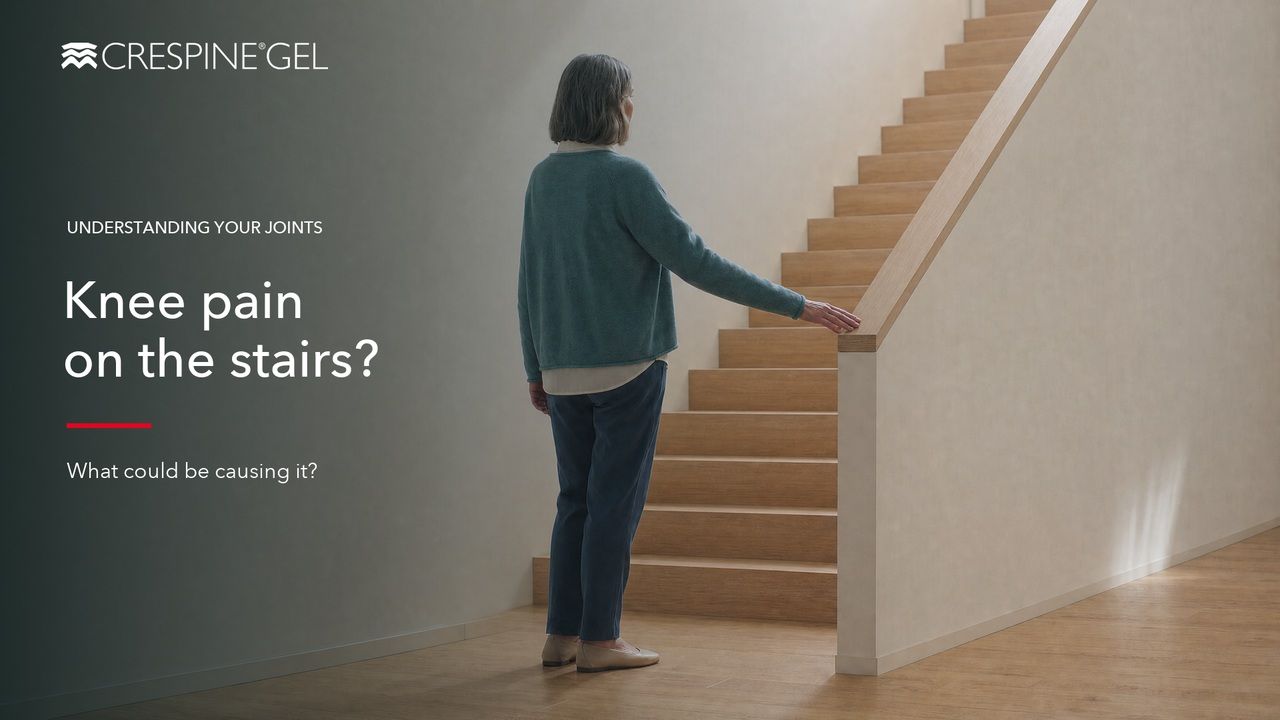
Symptoms & movement
Knee pain on stairs: What could be causing it?
Knee pain when going up or down stairs can have different causes. This video explains why symptoms may become noticeable on stairs, what to describe at your appointment, and which warning signs need prompt medical attention.
Watch video